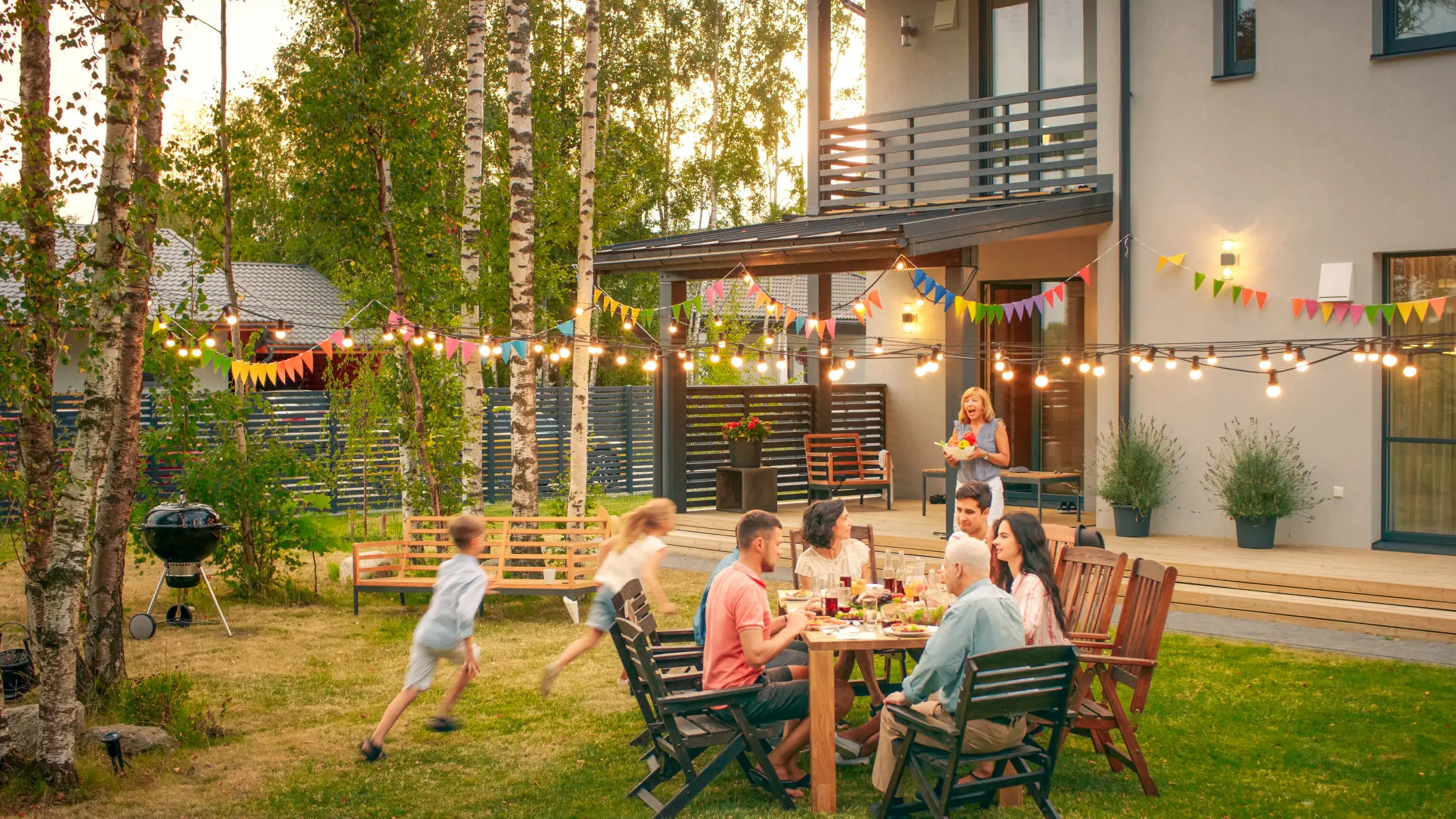


Tyler's cost of living runs 6 to 14 percent below the national average depending on the index used, making it one of the more affordable mid-sized cities in Texas for professional households. Texas has no state income tax, which further increases purchasing power relative to many other states.
| Category | Tyler vs. U.S. Average |
|---|---|
| Overall Cost of Living | 6 to 14% below average |
| Housing | 14 to 19% below average |
| Groceries | ~4% below average |
| Healthcare | ~6% below average |
| Transportation | Near average |
| Utilities | ~8% above average |
| State Income Tax | None (Texas) |
| Combined Sales Tax | 8.25% |
Texas has no state income tax. For physicians and other high earners, this represents a meaningful financial advantage compared to states with income tax rates of 5 to 13 percent. Local property taxes in Tyler are among the lower rates within the state for a city of its size. The combined state and local sales tax rate is 8.25 percent.
Everyday expenses in Tyler are manageable and reflect the overall below-average cost environment.
The combination of below-average home prices, no state income tax, and moderate daily living costs gives professional households in Tyler significant purchasing power compared to larger Texas metros or out-of-state alternatives.
A household spending at comparable lifestyle levels would need to earn meaningfully more in Austin, Dallas, Houston, Denver, or Nashville to maintain the same standard of living they can achieve in Tyler. The cost environment is particularly favorable for homeownership, which is where the most significant savings relative to national norms are found.
Tyler offers a wide range of housing options across different price points and architectural styles. The market is active, and the city's strong employment base in healthcare and education has supported consistent demand. Home prices run below the national median, which gives professional buyers significant options at every level of the market.
| Metric | Data |
|---|---|
| Median Home Price | $275,000 to $435,000 (varies by source and segment) |
| Average Listing Price | ~$430,000 (including luxury inventory) |
| Price vs. National Median | 14 to 19% below average |
| Homeownership Rate | High; most residents own their homes |
| Average Monthly Rent (1BR) | ~$1,070 |
| Average Monthly Rent (3BR) | ~$1,575 |
Tyler's housing inventory reflects its history and growth patterns. Residents can find everything from 1950s ranch-style homes in established neighborhoods to new construction in master-planned communities.
South Tyler The fastest-growing residential corridor in the city. New construction, upscale retail, and proximity to major medical facilities make South Tyler particularly popular with physicians and other healthcare professionals. Home prices range from mid-range to high-end.
Hollytree Established neighborhood in South Tyler centered around Hollytree Country Club. Tree-lined streets, quality schools nearby, and a mix of traditional and updated homes. Popular with families and professionals who want an established community feel.
Cascades An upscale neighborhood built around Cascades Golf and Country Club. Some of Tyler's highest-end residential properties are located here. Well-maintained and private.
Azalea District Historic residential area close to downtown. Known for its spring azalea bloom and the annual Azalea Trail. Older homes with significant character, many of them fully updated.
North Tyler / Troup Highway Corridor More affordable residential options; proximity to Tyler State Park and quieter access to outdoor recreation.
The medical facilities are concentrated in central and south Tyler. Commute times within the city are short by most comparisons.
| Starting Area | Commute to Medical Corridor | Notes |
|---|---|---|
| South Tyler | 5 to 15 minutes | Closest residential corridor to hospitals |
| Hollytree area | 10 to 20 minutes | Via Loop 49 or South Broadway |
| North Tyler | 15 to 25 minutes | Manageable; light traffic most times of day |
| Lake Palestine area | 25 to 35 minutes | For those seeking lake-area living |
Tyler is primarily a car-dependent city with minimal traffic congestion compared to Dallas or Houston. There is no meaningful rush hour delay in most parts of the city.
Tyler's safety profile is mixed and consistent with many mid-sized Southern cities. The city has neighborhoods with excellent safety records and other areas where property crime and violent crime rates are higher than national averages. Physicians relocating to Tyler typically settle in South Tyler, Hollytree, the Cascades area, or other established residential corridors, where crime rates are low and community conditions are stable.
Tyler's overall crime index sits above the national average when the entire city is measured. This is common for regional hub cities in the South that serve as commercial and healthcare centers for a large surrounding area. Crime is not evenly distributed across the city. The residential areas most commonly chosen by professional households are among the safer sections of Tyler.
| Crime Category | Tyler vs. National Average |
|---|---|
| Violent Crime | Above national average for the city overall |
| Property Crime | Above national average for the city overall |
| Safest Neighborhoods | South Tyler, Hollytree, Cascades, North Tyler residential areas |
| Crime Concentration | Central city and some east Tyler corridors carry higher rates |
The neighborhoods most commonly chosen by physicians and professional households are consistently among the lower-crime areas of the city.
Tyler has a well-staffed emergency services infrastructure, which is partly a function of its role as the regional medical hub.
Tyler is a car-dependent city with a grid-based road network that handles volume well. Traffic congestion is minimal compared to larger metros. The main accident corridors tend to be the busier commercial sections of Loop 323 and South Broadway during peak hours.