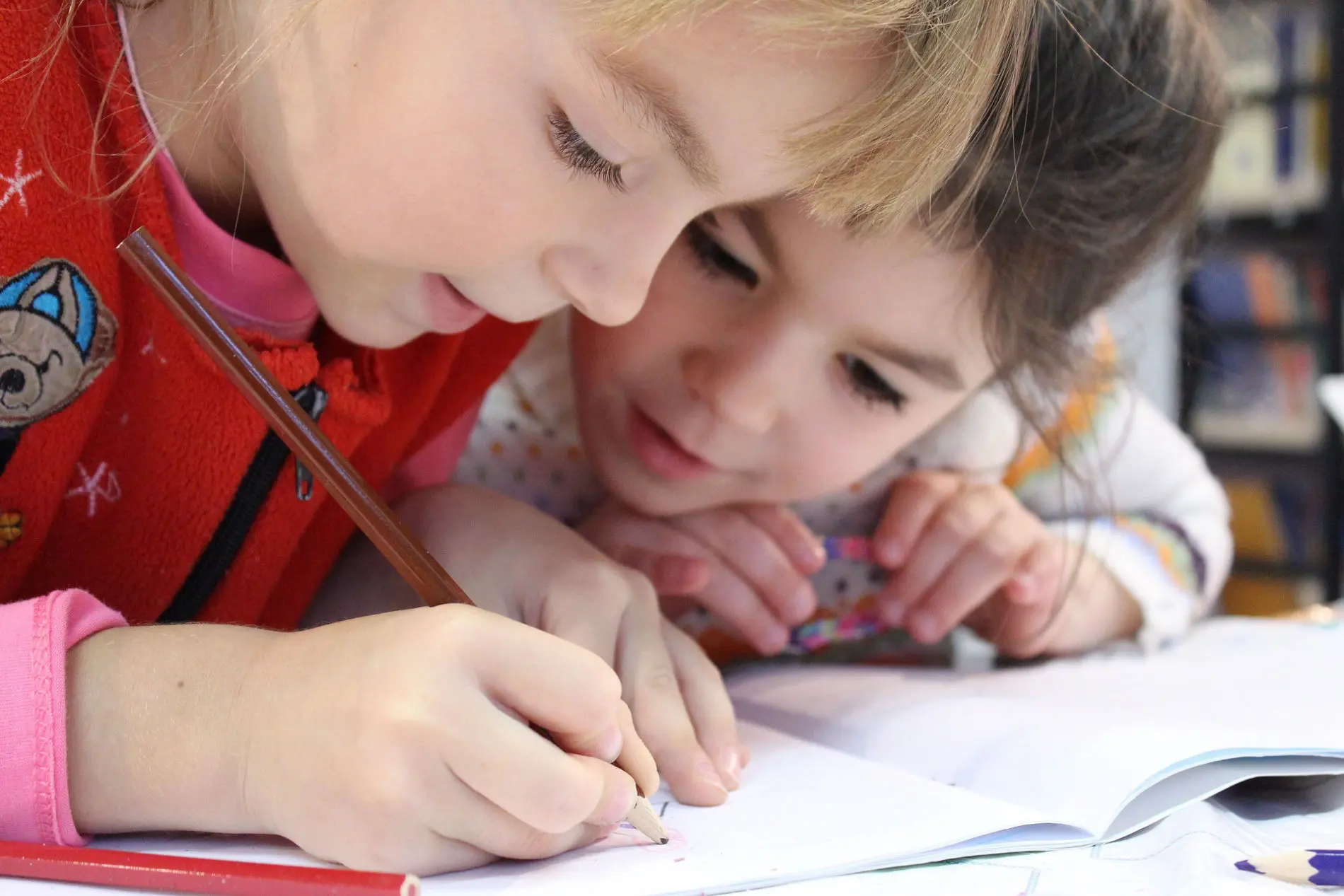
[Great Falls Public Schools](chatgpt://generic-entity?number=0) (District #1) is Montana’s second-largest school district, serving 10,000+ students across Great Falls, Black Eagle, Gibson Flats, Malmstrom Air Force Base, and parts of Sun Prairie and Ulm. It is the city’s third-largest employer, underscoring both educational scale and economic impact. The system includes the Great Falls Elementary School District (Pre-K–8) and Great Falls High School District, which share boundaries and administration.
Established in 1886, the district reflects more than a century of community investment in public education, supported by voter-approved funding such as the $1.75 million elementary levy passed in 2020. Today, Great Falls Public Schools operates 22 neighborhood schools, employing hundreds of educators, administrators, and specialized staff, and offering comprehensive programming in academics, athletics, arts, career and technical education (CTE), and special education.
Key points:
[Meadow Lark School](chatgpt://generic-entity?number=1) stands out as Great Falls’ highest-performing public school, earning a 9/10 GreatSchools rating and an A- from Niche. Other strong performers include [Loy Elementary School](chatgpt://generic-entity?number=2) and [Sacajawea School](chatgpt://generic-entity?number=3), demonstrating that families can find high-quality public education within the district.
District-wide performance aligns closely with Montana averages, with math proficiency at 34% (MT average 37%) and reading proficiency at 47% (MT average 46%). Outcomes vary meaningfully by school, making school-level selection important for families with specific academic priorities.
The district’s two comprehensive high schools—[Great Falls High School](chatgpt://generic-entity?number=4) and [C.M. Russell High School](chatgpt://generic-entity?number=5)—each enroll approximately 1,600 students (grades 9–12). Both offer extensive Advanced Placement courses, CTE pathways, competitive athletics, performing arts, and college preparation, with distinct cultures but comparable academic scope.
Key points:
Great Falls has seven private schools serving approximately 820 students—about 8% of K–12 enrollment, mirroring statewide trends. All private schools are religiously affiliated, primarily Catholic and Protestant Christian; there are currently no secular private schools.
The largest system is Holy Trinity Catholic Schools, including Our Lady of Lourdes (elementary), Holy Spirit (elementary/middle), and Great Falls Central Catholic High School. These schools integrate Catholic faith formation with academic instruction, emphasizing character, service, and leadership.
Tuition typically ranges from $4,000–$8,000 annually, with parishioner discounts, financial aid, and scholarships available. Costs are significantly lower than metropolitan private schools ($15,000–$30,000+), though still a household consideration.
Key points:
Protestant Christian alternatives include Foothills Community Christian High School, Heritage Baptist School, Five Falls Christian School, and similar institutions. These schools emphasize biblical integration, character development, smaller class sizes, and close-knit communities.
Educational philosophies vary—from classical education to college preparation and career-focused models—making school visits and administrator conversations essential for families evaluating fit.
Great Falls Public Schools provides comprehensive special education services in compliance with IDEA and Montana law, supporting students with learning disabilities, autism spectrum disorders, emotional/behavioral needs, speech and language impairments, physical disabilities, and intellectual disabilities.
Services include specialized instruction, speech, occupational and physical therapy, counseling, adapted physical education, self-contained classrooms for intensive needs, and inclusive settings with appropriate accommodations. Dedicated paraprofessionals and case managers coordinate services through Individualized Education Programs (IEPs).
Families relocating with children who have special needs are advised to contact the district early to ensure smooth IEP transfer and continuity of services. Private schools typically offer more limited special education resources.
Students benefit from extensive extracurricular opportunities, including Montana High School Association athletics, performing arts, academic competitions, leadership organizations, and service clubs.
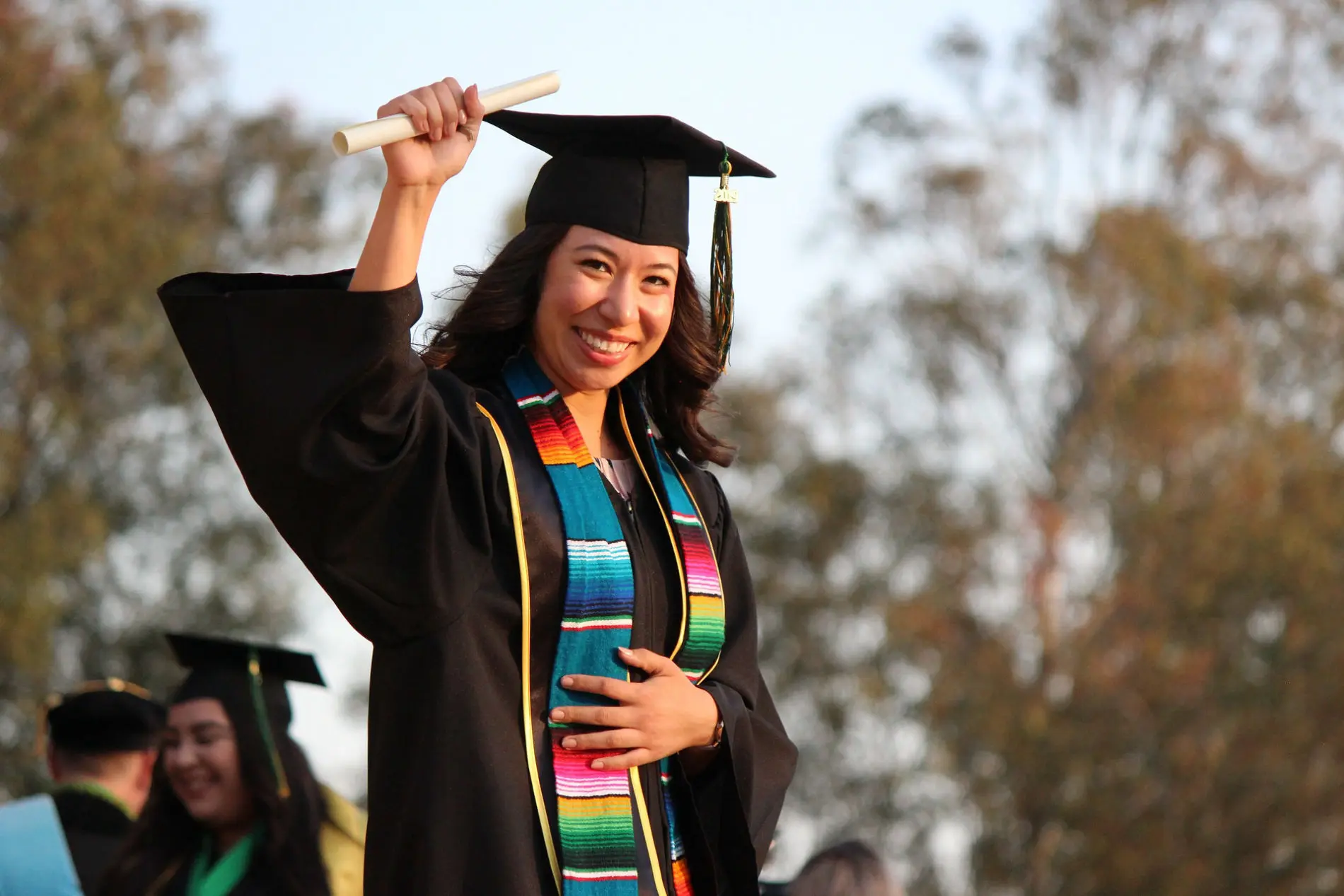
University of Providence operates as Great Falls' private Catholic university, offering Associate, Bachelor's, and Master's programs with flexibility of online and in-person coursework. The university's Health Professions programs particularly align with Great Falls' healthcare economy, preparing nurses, physical therapists, social workers, and other healthcare professionals for careers at Benefis Health System and other regional healthcare organizations. This local pipeline of healthcare talent supports physician practice recruitment by ensuring availability of qualified support staff, though it also creates competition for healthcare workers.
Great Falls College Montana State University functions as the community's public two-year institution, providing associate degrees, certificate programs, career and technical education, and transfer pathways to four-year Montana universities. Programs include nursing, welding, dental hygiene, business, computer technology, and liberal arts transfer degrees. The college serves both traditional students pursuing initial credentials and working adults seeking career advancement or transitions. Dual enrollment programs allow high school students to earn college credits while completing secondary education, accelerating degree completion and reducing college costs.
Touro College of Osteopathic Medicine Montana opened in 2023 as Montana's first medical school, occupying facilities in Great Falls' medical corridor within walking distance of Benefis East Health System and McLaughlin Research Institute. The medical school's presence brings medical students into the community for clinical rotations, potentially creating future physician recruitment opportunities while immediately contributing to healthcare education infrastructure. This represents significant community investment in medical education and healthcare workforce development.
Physician families should evaluate schools based on children’s ages, academic needs, faith preferences, and support requirements. Top-performing public schools coexist with variable district-wide performance, making school-level research and visits important. Catholic and Protestant private schools offer faith-based alternatives at manageable tuition levels, while public schools provide the broadest range of special education and extracurricular resources.