Big Bear Lake is a mountain resort town in the San Bernardino Mountains of Southern California, set at roughly 6,750 feet around a seven-mile alpine lake. It offers four real seasons, pine forest, and open recreation, while sitting within driving range of the Los Angeles and Inland Empire job centers. For a physician, it combines a small, tight-knit town with easy weekend access to a major metro.
The year-round population is small, near 5,000 in the city itself, but the valley swells with visitors on weekends and holidays. Life here runs on the outdoors and on a close community where people know their neighbors and their providers.
Regional Setting: San Bernardino Mountains, Southern California
Elevation: About 6,750 feet
Lake: Seven-mile alpine lake (Big Bear Lake)
City Population: About 5,000 (valley draws far more on weekends)
Nearest Metro: San Bernardino, about 45 to 60 minutes down the mountain
Los Angeles: About 2 hours
Nearest Major Airport: Ontario International, about 1.5 hours
Climate: Four seasons, snowy winters, mild summers
| Destination | Approximate Drive |
|---|---|
| San Bernardino | 45 to 60 minutes |
| Ontario International Airport | 1.5 hours |
| Riverside | 1.5 hours |
| Los Angeles | 2 hours |
| Palm Springs | 2 hours |
Distances are approximate and depend on weather and mountain road conditions. Source: mapping estimates and Bear Valley area references.
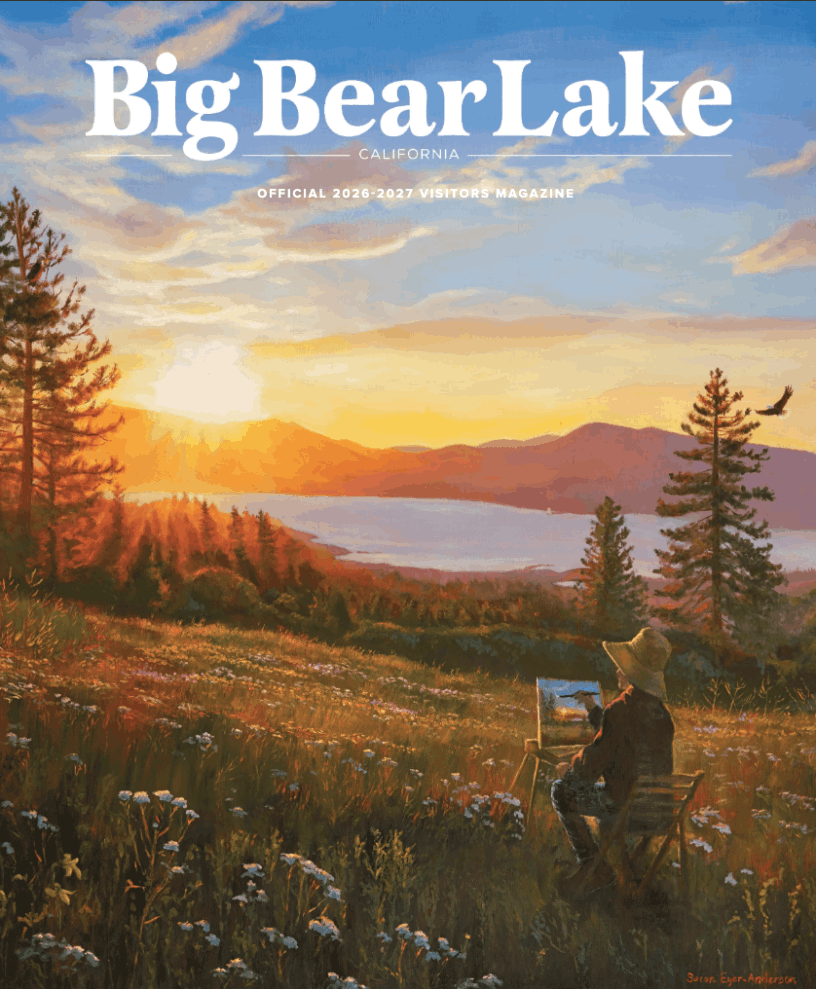
Looking to explore a new destination, but not sure where to start? A travel guide can help you discover the hidden gems and must-see attractions of a new place. Whether you're looking for the best local cuisine, the most scenic views, or the most exciting activities, a good travel guide can provide you with insider knowledge and expert recommendations. With a travel guide in hand, you can make the most of your trip and experience a new place like a local. So why not start planning your next adventure with a travel guide today?
Big Bear's story runs from a gold rush, through the building of a dam that created the lake, to its modern life as a four-season resort community. That history shaped a town that values self-reliance, the outdoors, and a strong local identity.
The valley first drew outside attention in the 1860s, when a gold rush brought miners into the San Bernardino Mountains. The bigger turning point came in 1884, when a rock dam was built across Bear Creek to store water for the citrus groves in the valley below. That dam created Big Bear Lake. A larger dam replaced it in 1911 and set the lake near its current size.
Through the early and mid 20th century, Big Bear grew from a remote mountain retreat into a recreation destination. The arrival of ski operations in the 1950s, including the runs that became Snow Summit, turned winter into a full season and pulled year-round population growth. Hollywood also used the valley as a filming location for decades, adding to its profile.
Historical details are drawn from Bear Valley community and regional historical references.
Big Bear Lake is a small, established community with an older median age than the national average, which fits the clinic's mostly adult and geriatric patient base. The full-time population is stable, and the wider valley adds seasonal residents and visitors throughout the year.
Population (city): About 5,000 to 5,500
Median Age: About 46 to 47
Median Household Income: About $76,250
Homeownership: Majority owner-occupied, with a large share of second homes
County: San Bernardino
The city population sits near 5,000 full-time residents, with recent estimates ranging from roughly 5,000 to 5,500 depending on the source. The population has been essentially flat to slightly declining over the past decade. The median age is about 46 to 47, older than the national median, with a meaningful share of residents 65 and older.
| Measure | Big Bear Lake | National Reference |
|---|---|---|
| Median age | About 46 to 47 | About 39 |
| Median household income | About $76,250 | About $78,000 |
| Residents 65 and older | About 20 percent | About 17 percent |
| Foreign-born residents | About 13 percent | About 14 percent |
Demographic figures are drawn from U.S. Census Bureau data and census aggregators (Data USA, Point2Homes, World Population Review). Figures vary slightly by source and estimate year, so ranges are shown where sources differ.