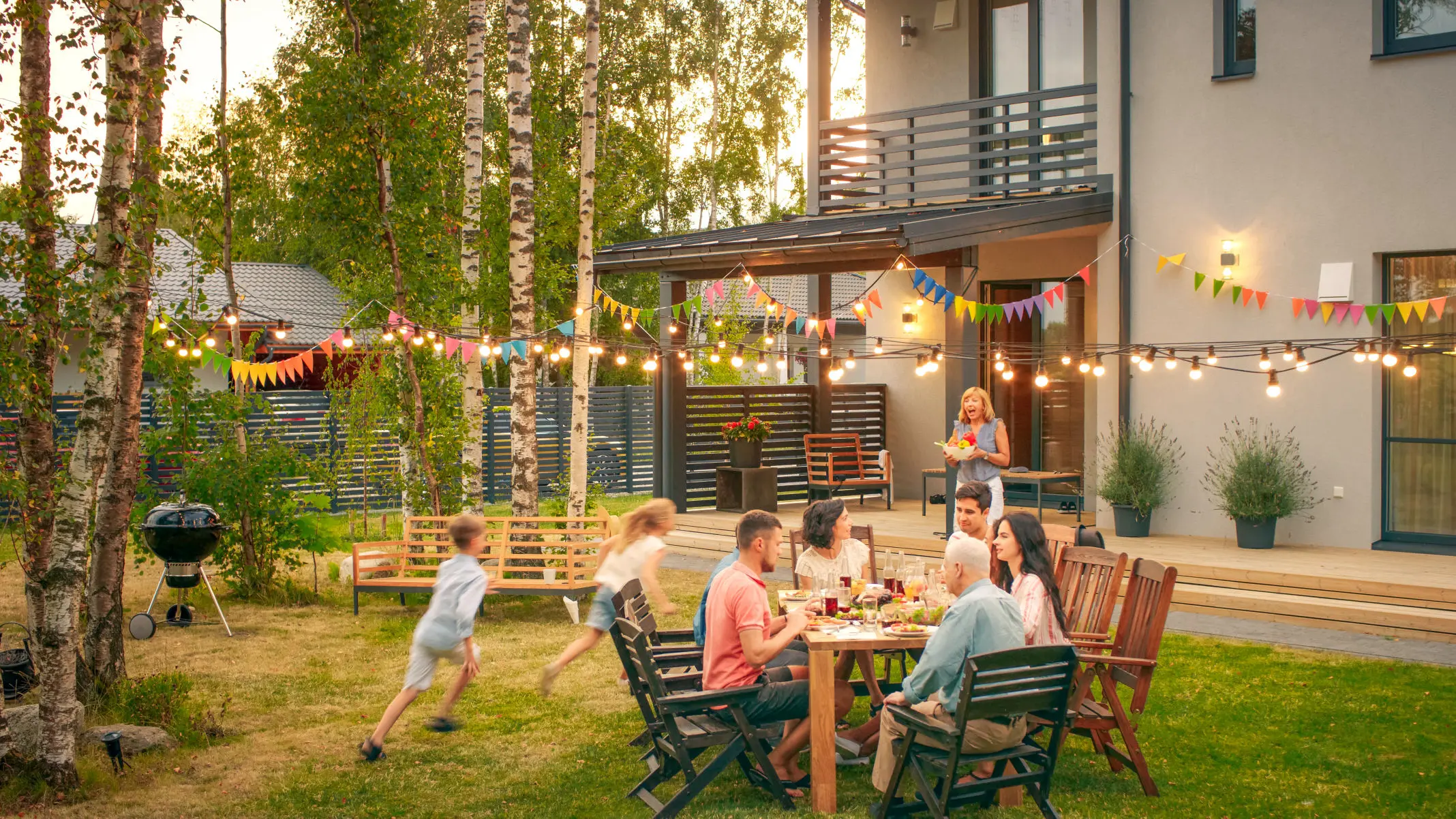
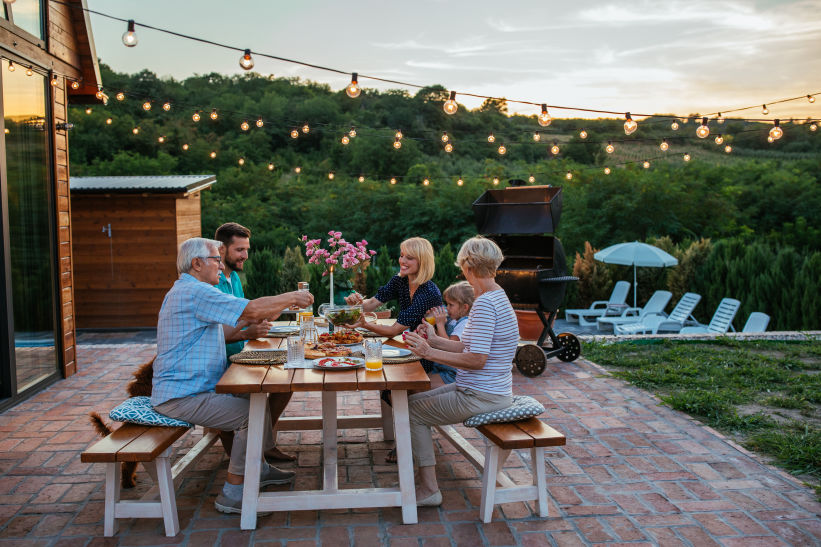

The San Luis Valley is one of the more affordable places to live in Colorado, which is a meaningful advantage in a state where many areas have become expensive. Housing, food, and everyday costs run below both the national and state averages, so a physician's income stretches considerably further here than it would on the Front Range or in most metro areas.
| Detail | Value |
|---|---|
| Overall Cost of Living Index | Roughly 82 to 94 (U.S. average is 100) |
| Compared to U.S. Average | Below average |
| Compared to Colorado Average | Roughly 20% lower |
| Food and Transportation | Below the national average |
| Housing | Well below the Colorado average |
Against the major metros in the Mountain time zone, the Valley is dramatically more affordable, particularly on housing.
| Metro | Cost of Living vs. Alamosa |
|---|---|
| Denver, CO | Significantly higher |
| Colorado Springs, CO | Higher |
| Albuquerque, NM | Higher |
The lower cost base shows up across everyday expenses, not just housing. The main tradeoff is that some retail and specialty shopping requires a drive to a larger city, which residents plan around.
The combination of a strong rural physician income and a low cost of living is one of the Valley's clearest financial advantages. Residents can afford more home, more land, and more financial breathing room than in most Colorado markets, while living minutes from the outdoors.
Housing in the San Luis Valley is affordable and varied, from historic homes in town to rural properties with acreage and mountain views. Median home prices sit well below the Colorado average, which means physicians here can buy more home, and often more land, than they could in most of the state. Where you live depends largely on which clinic you work from and the lifestyle you want.
| Detail | Value |
|---|---|
| Median Home Value (Alamosa) | Roughly $220,000 to $315,000, depending on source |
| Compared to Colorado | Well below the state median |
| Homeownership Rate | Approximately 44% in Alamosa |
| Average Commute | Around 14 minutes in Alamosa |
| Property Taxes | Low by national standards |
Home value estimates vary by data source, which is common in small rural markets. The recruiter can provide current local listings for a precise picture.
San Luis Valley Health providers live throughout the Valley, choosing a town based on clinic location and lifestyle preference.
The Valley offers a range of housing to match different stages of life and tastes.
Short commutes are part of the appeal. Even living in one Valley town and working in another is manageable, with most drives well under an hour.
An honest look at safety matters when evaluating any community. Alamosa, as the Valley's commercial hub and the location of regional social services, reports crime rates above the national and Colorado averages, driven largely by property crime. The smaller agricultural towns across the Valley generally see lower crime and a quieter pace. This section gives you the real picture so you can weigh it for yourself.
Alamosa's reported crime is concentrated in property crime rather than violent crime, a pattern local reporting links to the regional opioid epidemic and the concentration of social services in the largest town.
| Metric | Alamosa |
|---|---|
| Overall Crime | Above national and Colorado averages |
| Predominant Type | Property crime, primarily theft |
| Violent Crime | Above average, though a smaller share of total |
| Trend | Rose through the late 2010s; more recent years show some moderation |
The figures reflect Alamosa's role as the Valley's regional center. As the hub for commerce and social services across a wide rural area, it absorbs activity that smaller towns do not.
Many physicians and longtime residents report living in the Valley for years without incident, while still taking the ordinary precautions any community warrants. Where you live within the Valley shapes your day-to-day experience, and the smaller towns offer a notably quieter setting.
The Valley is served by local law enforcement and by San Luis Valley Health, which operates the only Level III Trauma Center and ICU in the region, providing 24-hour emergency care close to home.