Community Overview

Exploring Our Community

The San Luis Valley sits in south-central Colorado, a high-desert basin ringed by the Sangre de Cristo and San Juan mountain ranges. At roughly 125 miles long and 65 miles wide, it is the largest high-altitude desert in North America, with the Rio Grande River running through its center. For physicians, the Valley offers a rare combination: wide-open rural living, dramatic natural surroundings, and a tight-knit community spread across a handful of small towns.

This is a place defined by space, light, and access to the outdoors. The Valley averages more than 300 sunny days a year, and within a short drive you can reach national parkland, alpine lakes, hot springs, and several ski areas. It rewards people who want to live close to nature and become part of a community rather than disappear into a city.

Community Snapshot

Detail Value
Regional SettingHigh-desert valley, south-central Colorado
ElevationApproximately 7,500 to 8,100 feet
Largest TownAlamosa, population approximately 9,800
Other TownsMonte Vista, La Jara, Antonito, Manassa, Fort Garland
Defining LandmarkGreat Sand Dunes National Park and Preserve
Major RiverRio Grande
Primary IndustryAgriculture

The Towns of the Valley

San Luis Valley Health serves patients across the Valley, and physicians here live in several communities depending on lifestyle and clinic location.

  • Alamosa, the commercial hub, home to Adams State University and the regional medical center
  • Monte Vista, a smaller agricultural town with its own community clinic
  • La Jara and Antonito to the south, rural farming communities near the New Mexico border
  • Manassa, Fort Garland, and other small towns scattered across the Valley floor

Natural Surroundings

The Valley's signature feature is the Great Sand Dunes National Park, where the tallest dunes in North America rise against 14,000-foot peaks. Beyond the dunes, the landscape ranges from cottonwood-lined river corridors to alpine forest and tundra.

  • Great Sand Dunes National Park, with hiking, sandboarding, and dark-sky stargazing
  • The Rio Grande River, running through the heart of the Valley
  • Surrounding 14,000-foot peaks in the Sangre de Cristo Range
  • Nearby hot springs, wildlife refuges, and waterfalls

Climate

The Valley has a sunny, dry, high-desert climate with four distinct seasons. Summers are warm and mild, winters are cold and clear, and snowfall is moderate on the Valley floor while the surrounding peaks hold deep snow.

Climate Detail Value
Sunny DaysMore than 300 per year
Annual RainfallBelow 10 inches
Average SnowfallApproximately 33 inches
July RangeRoughly 46 to 81 F
January RangeRoughly -2 to 33 F

Getting Around and Access

The Valley is rural, and part of its appeal is the absence of traffic and crowds. Alamosa provides regional services and connections, while larger cities are within reach for travel and specialty needs.

  • US Routes 160 and 285 connect the Valley
  • Regional air service from Alamosa, with major airports in Colorado Springs and Albuquerque
  • Colorado Springs approximately three hours northeast
  • Albuquerque approximately three hours south
  • Durango approximately three and a half hours west
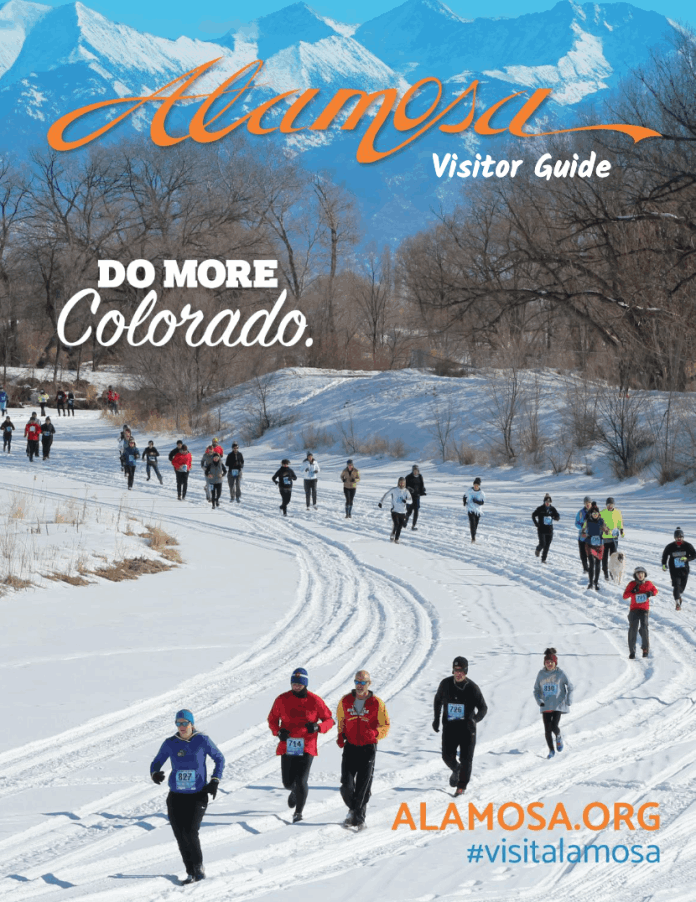
Your Ultimate Travel Guide

Looking to explore a new destination, but not sure where to start? A travel guide can help you discover the hidden gems and must-see attractions of a new place. Whether you're looking for the best local cuisine, the most scenic views, or the most exciting activities, a good travel guide can provide you with insider knowledge and expert recommendations. With a travel guide in hand, you can make the most of your trip and experience a new place like a local. So why not start planning your next adventure with a travel guide today?

History Unveiled: A Journey Through Time

The San Luis Valley holds some of the oldest continuously settled communities in Colorado. Its towns grew from Spanish and Mexican land-grant settlements, and that heritage still shapes the culture, architecture, and family names across the Valley today. For a physician, this is a place with deep roots and a strong sense of identity, not a town that sprang up overnight.

Early Settlement

The Valley was home to Indigenous peoples for thousands of years before Hispano settlers moved north from New Mexico in the mid-1800s, establishing the first permanent towns in what is now Colorado.

  • San Luis, founded in 1851, is the oldest continuously occupied town in Colorado
  • Many Valley families descend from the region's original Spanish and Mexican settlers
  • Catholic churches and adobe architecture reflect the area's Hispano origins

Growth and Industry

Alamosa was established in 1878 as a railroad town, named for the cottonwood trees along the Rio Grande. The railroad made it the commercial center of the Valley, a role it still holds.

  • Founded in 1878 with the arrival of the Denver and Rio Grande Railway
  • Agriculture became and remains the Valley's primary industry
  • Adams State University, founded in 1921, anchors education and culture in Alamosa

Cultural Legacy

The Valley's history gives it a distinct blend of cultures, with a strong Hispano heritage alongside ranching and farming traditions. Annual festivals, historic churches, and museums keep that history visible in daily life.

  • A 45% Hispanic population reflects the Valley's enduring Hispano roots
  • Historic landmarks include Fort Garland Museum and the region's Spanish-era churches
  • Long-standing agricultural traditions continue to define the Valley's economy and identity

Population & Demographics: Understanding Our Diverse Community

The San Luis Valley is home to roughly 50,000 people spread across a wide rural area, with Alamosa as the largest population center. The community is culturally rich, with a strong Hispano heritage, an agricultural backbone, and a university presence that brings students and educators into the mix. Physicians here serve a loyal, multigenerational patient base.

Demographic Snapshot

Detail Value
Valley Population Approximately 50,000
Largest Town Alamosa, approximately 9,800
Median Age (Alamosa County) Approximately 33 years
Hispanic Population Approximately 45%
Median Household Income (Alamosa County) Approximately $55,000
Primary Industries Agriculture, health care, education, retail

Who Lives Here

The Valley's population is diverse and deeply rooted, with many families tracing back generations. The mix of cultures and the rural setting create a close-knit social environment.

  • A significant Hispano population descended from the Valley's original settlers
  • A younger median age than many rural areas, supported by Adams State University
  • A strong Latter-day Saints community in the southern Valley towns
  • Multigenerational ranching and farming families

Employment and Economy

Health care, education, agriculture, and retail anchor the regional economy. San Luis Valley Health is one of the area's largest employers, and Adams State University adds a steady educational and cultural presence.

  • Health care and social assistance are among the largest employment sectors
  • Agriculture remains the economic foundation of the Valley
  • Adams State University supports education, research, and local employment

© Copyright 2023 Pacific Companies. All Rights Reserved.